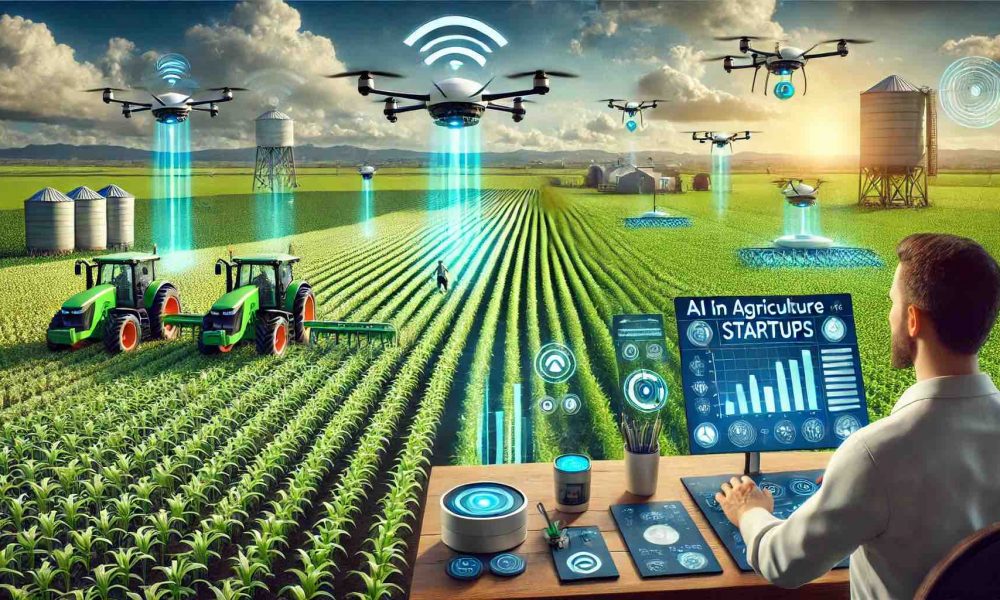
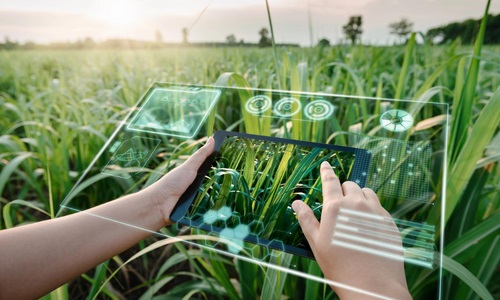
Agriculture, one of the world’s oldest industries, is undergoing a major transformation thanks to the rise of agri-tech startups. These innovative companies are leveraging artificial intelligence (AI), robotics, biotechnology, and the Internet of Things (IoT) to make farming more efficient, sustainable, and profitable. As food demand grows due to increasing global populations, agri-tech startups are helping farmers overcome challenges such as climate change, resource scarcity, and labor shortages.
1. How Agri-Tech Startups Are Changing Farming
Traditional farming methods often rely on experience and manual labor. However, agri-tech startups are introducing smart solutions that use data, automation, and advanced engineering to optimize agricultural processes. These innovations help farmers:
✅ Increase crop yields
✅ Reduce costs and waste
✅ Minimize environmental impact
✅ Improve supply chain efficiency
2. Key Technologies Driving the Agri-Tech Revolution
A. Precision Farming with AI & IoT
Agri-tech startups are developing AI-powered solutions that allow farmers to make data-driven decisions.
- AI-powered analytics: AI algorithms analyze soil conditions, weather forecasts, and pest threats to optimize planting and harvesting schedules.
- Smart sensors & IoT: Sensors monitor soil moisture, temperature, and nutrient levels in real-time, allowing for precise irrigation and fertilization.
- Predictive analytics: AI can predict disease outbreaks and climate changes, helping farmers take preventive action.
🚀 Startup Spotlight: Prospera Technologies uses AI-driven image recognition to help farmers monitor crop health and detect diseases early.
B. Robotics & Automation in Agriculture
Labor shortages are a major issue in the agricultural sector, leading to the rise of autonomous farming equipment.
- Self-driving tractors & harvesters: Companies are developing autonomous tractors that can plant, weed, and harvest with little to no human input.
- Agri-drones: Drones are being used for aerial mapping, spraying pesticides, and monitoring large farmlands.
- Robotic weeders: AI-powered robots can distinguish between crops and weeds, reducing the need for herbicides.
🚀 Startup Spotlight: Blue River Technology (acquired by John Deere) has developed AI-powered weed control systems that target weeds with precision spraying.
C. Vertical & Urban Farming
As cities expand and farmland decreases, startups are developing innovative urban farming solutions.
- Vertical farms: Multi-layer indoor farms use LED lighting, hydroponics, and AI to grow food in controlled environments.
- Hydroponics & aeroponics: These soilless farming techniques use nutrient-rich water and mist to grow crops faster with minimal space and water.
- Smart greenhouses: AI-controlled greenhouses regulate temperature, humidity, and lighting for optimal plant growth.
🚀 Startup Spotlight: Plenty is a US-based vertical farming startup that uses AI and robotics to grow pesticide-free crops indoors.
D. Biotechnology & Gene-Editing
Biotechnology is helping farmers develop crops that are more resilient to climate change and pests.
- Gene-edited crops: CRISPR gene editing is being used to create drought-resistant and pest-resistant crops.
- Alternative proteins: Startups are developing lab-grown meat and plant-based protein alternatives.
- Microbial fertilizers: New bio-based fertilizers reduce the need for chemical pesticides and improve soil health.
🚀 Startup Spotlight: Benson Hill is using AI and CRISPR technology to develop high-yield, climate-resilient crops.
E. Blockchain & Supply Chain Transparency
Blockchain technology is helping improve transparency and efficiency in the agricultural supply chain.
- Food traceability: Blockchain allows consumers to track the origin and quality of their food.
- Smart contracts: Automated contracts ensure fair trade and instant payments to farmers.
- Fraud prevention: Blockchain prevents counterfeit products from entering the food supply.
🚀 Startup Spotlight: AgriDigital is using blockchain to ensure transparency in grain transactions and payments.
3. Investment in Agri-Tech Startups
The agri-tech sector has seen a surge in funding from venture capital firms, governments, and corporations. In 2023, global agri-tech investment surpassed $10 billion, with major tech companies and investors recognizing the potential of agricultural innovation.
Why Investors Are Interested:
✔️ The global food market is worth trillions of dollars.
✔️ Climate change is creating demand for sustainable farming solutions.
✔️ AI and automation are making agriculture more scalable and efficient.
🚀 Notable Agri-Tech Investors:
- SoftBank Vision Fund (invested in Plenty)
- Bill & Melinda Gates Foundation (supports sustainable farming initiatives)
- Google Ventures (invested in AI-powered agriculture startups)
4. Challenges Facing Agri-Tech Startups
Despite the rapid growth, agri-tech startups face several challenges:
- High initial costs: Many small farmers struggle to afford new technologies.
- Adoption resistance: Traditional farmers may be hesitant to switch to tech-based solutions.
- Regulatory hurdles: Government policies on biotechnology and automation vary by region.
- Connectivity issues: Many farms in developing countries lack reliable internet access.
5. The Future of Agri-Tech Startups
As technology continues to evolve, agri-tech startups will play a key role in shaping the future of farming. Some emerging trends include:
🔹 AI-powered climate adaptation – More startups will develop AI solutions to help farmers deal with unpredictable weather patterns.
🔹 Decentralized farming – Urban and rooftop farms will become more common, reducing reliance on rural farmlands.
🔹 Automation-as-a-service – Farmers may start leasing automated farming equipment instead of purchasing it.
🔹 Carbon farming – More startups will focus on capturing and storing carbon in soil to combat climate change.
Conclusion
The rise of agri-tech startups is transforming the global agricultural industry, making farming more productive, sustainable, and technologically advanced. As investment continues to flow into the sector, farmers will have access to cutting-edge tools that improve yields, reduce waste, and protect the environment. While challenges remain, the future of farming is undoubtedly digital, and agri-tech startups are leading the way in this revolution.



Comments
ken
February 10, 2025 21:11
good
ken
February 11, 2025 07:34
whats up